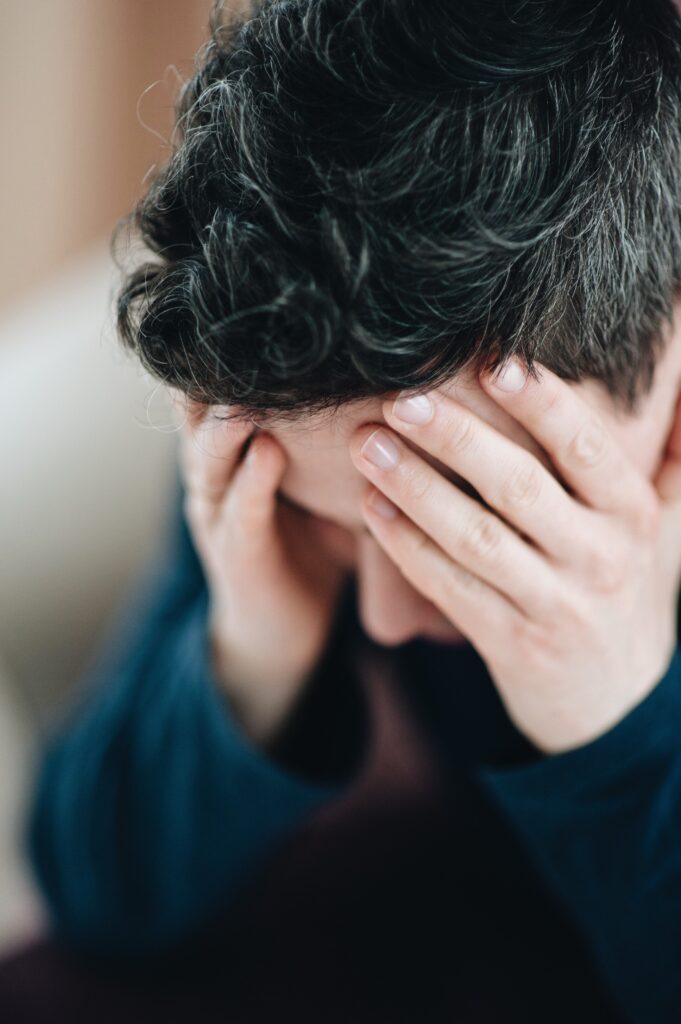
Feelings of sadness, anger, or hopelessness are all part of depression. So is tiredness, sleep disturbance, loss of appetite or weight gain, or lack of motivation or interest in the things you used to enjoy doing. Depression takes many forms.
If these symptoms aren’t addressed, they could affect how you view yourself. Often, this includes seeing yourself as unlovable, helpless, doomed, or deficient. Get the help you need before depression takes you down this road. Don’t let depression rob you of the happiness and satisfaction you seek in life.
The Path to Recovery
Depression is treated through a variety of methods. Each method has its unique approach in releasing depression’s grip on you.
Psychotherapy provides a safe, supportive space to explore emotions, identify patterns, and build healthier ways of coping.
Behavioral therapy focuses on engaging with meaningful activities to counter the withdrawal and loss of motivation that depression often creates.
Cognitive therapy helps you recognize and reshape unhelpful thought patterns that fuel hopelessness or self‑criticism.
Interpersonal psychotherapy strengthens your relationships and communication skills, addressing the social and relational stressors that can worsen depression.
Mindfulness‑based cognitive therapy teaches you to observe thoughts and feelings without judgment, reducing rumination and emotional overwhelm.
Supportive therapy offers encouragement, validation, and practical guidance while you navigate difficult periods.
Medication can help rebalance mood‑related brain chemistry when symptoms are severe, persistent, or biologically driven.
Most people benefit from a combination of these approaches. The right mix depends on your symptoms, your goals, and what feels most supportive to you. With the right treatment, depression becomes manageable—and healing becomes possible.
Symptoms that occur most of the day, nearly every day and may include:
Sadness and loss of interest
• Tearfulness, emptiness, or hopelessness
Angry outbursts, irritability, or frustration, even over small matters
Loss of desire in most or all normal activities, such as sex, hobbies, or sports
Sleep disturbances, including insomnia or sleeping too much
Tiredness and lack of energy, so even small tasks take extra effort
Reduced appetite and weight loss or increased cravings for food and weight gain