Anxiety often triggers the body’s fight-or-flight response, leading to physical signs such as racing heart, hyperventilating, sweating, trembling, muscle tension, nausea, dizziness, and fatigue.
Emotionally, anxiety can cause persistent worry, fear, dread, or a sense of impending doom. Individuals may feel on edge, irritable, or overwhelmed, and have difficulty concentrating or controlling their thoughts.
When symptoms are frequent, intense, difficult to control, or interfere with daily life, it’s time to reach out for help. Through therapy, lifestyle changes, or medication, you can significantly improve your quality of life.
Seeking Effective Treatment
Whether you might experience generalized anxiety, social anxiety, separation anxiety, OCD, agoraphobia, or other type of anxiety, evidence‑based strategies exist to help you become more grounded, more capable, and more connected to the life you want.
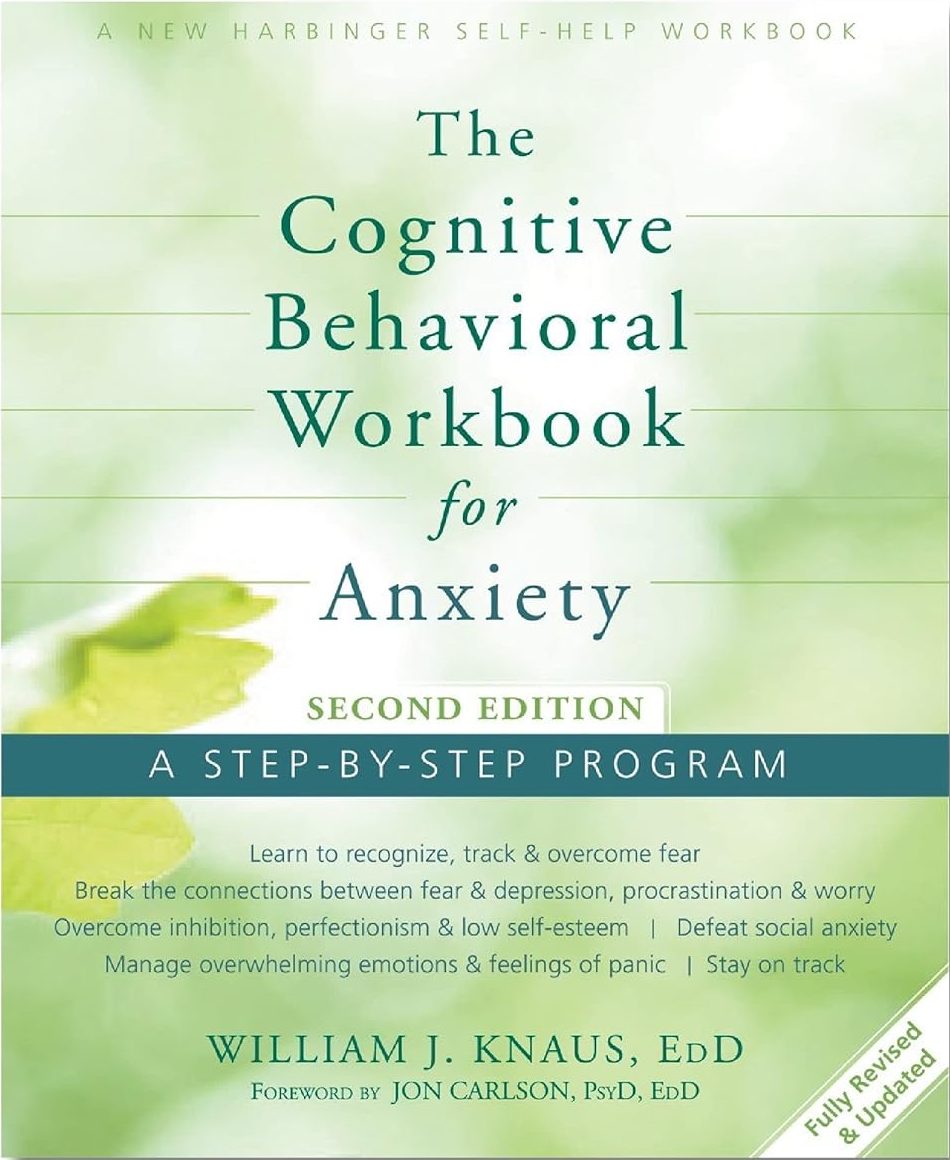
The Gold Standard of anxiety treatment is Cognitive Behavioral Therapy. CBT’s core premise is that thoughts, emotions, and behaviors are deeply interconnected, so distorted thinking, not the situation itself, drives distress. CBT helps people notice these unhelpful thought patterns. It teaches them to replace distorted thinking with more balanced, realistic ways of responding. CBT is effective for all anxiety disorders.
Exposure and Response Prevention (ERP) attacks OCD at its core. A part of CBT, ERP creates a safe environment to expose you to your fears. Fears may include those related to harm, contamination, perfectionism, or forbidden thoughts, among other themes. Exposure therapy helps show you that you’re capable of confronting your fears whatever they are. You’ll learn to attach new, more realistic beliefs to the things you’re afraid of. ERP takes effort and practice, but you’ll enjoy a better quality of life once you learn to manage your obsessions and compulsions.
Some of the types of anxiety that Michael treats are: